Table of Contents
- Key Takeaways
- Quick Verdict
- Product Overview & Specifications
- Real-World Performance & Feature Analysis
- Design & Build Quality
- Performance in Real Use
- Ease of Use
- Durability & Reliability
- Pros & Cons
- Pros
- Cons
- Comparison & Alternatives
- Cheaper Alternative: Generic Rubber Curry Comb
- Premium Alternative: Haas Schimmel Brush
- When to Choose Each
- Buying Guide / Who Should Buy
- Best for Beginners
- Best for Professionals
- Not Recommended For
- FAQ
- Is the Cashel Horse Brush worth buying for occasional use?
- How does it handle muddy horses?
- Will this brush help with shedding?
- How long can I expect this brush to last?
- Is there a significant difference between this and more expensive brushes?
When you’re standing in the barn aisle surrounded by dozens of grooming tools, all promising to transform your horse’s coat, it’s easy to feel overwhelmed. I’ve been there—wondering if that affordable brush will actually hold up or if you’re just buying another piece that will break in a month.
After testing the Cashel Horse Brush extensively across multiple horses and grooming scenarios, I’m breaking down exactly what this tool delivers, where it falls short, and whether it deserves a spot in your grooming kit. This isn’t another generic product summary—it’s a real-world assessment from someone who’s used this brush daily on everything from muddy pasture pets to show-ready performance horses.
Key Takeaways
- The Cashel brush offers surprising durability for its price point, but has limitations for heavy shedding seasons
- Ergonomics are above average for budget brushes, reducing hand fatigue during extended grooming sessions
- Best suited for routine maintenance rather than deep cleaning or show preparation
- Competitive against basic alternatives but falls short of premium grooming system performance
- Ideal for casual owners and beginners, less suitable for professional grooms or horses with dense coats
Quick Verdict
Best for: Casual horse owners, beginners, budget-conscious buyers, and those needing a reliable daily maintenance brush.
Not ideal for: Professional grooms, heavy shedding situations, show preparation requiring premium results, or horses with extremely sensitive skin.
Core strengths: Excellent value proposition, comfortable ergonomic handle, adequate durability for routine use, and reliable performance for basic grooming needs.
Core weaknesses: Limited effectiveness on thick winter coats, average bristle density, and not part of a comprehensive grooming system approach.
Product Overview & Specifications
The Cashel Horse Brush sits firmly in the budget-to-midrange category of equine grooming tools. Having handled dozens of brushes across price ranges, I can immediately identify where Cashel made cost-saving decisions while maintaining core functionality.
| Specification | Details |
|---|---|
| Dimensions | 21 x 2 x 0.75 inches |
| Weight | 0.32 ounces |
| Construction | Silver metal body with synthetic bristles |
| Handle Design | Ergonomic curved grip |
| Manufacturer | Cashel |
| Primary Use | Daily coat maintenance, dirt removal |
What these specifications don’t tell you is how the brush actually feels during use. The lightweight design means less arm fatigue during full-body grooming, but also suggests this isn’t built for heavy-duty scrubbing. The silver construction provides adequate durability for most casual users, though I wouldn’t trust it to survive repeated drops on concrete.
Real-World Performance & Feature Analysis
Design & Build Quality
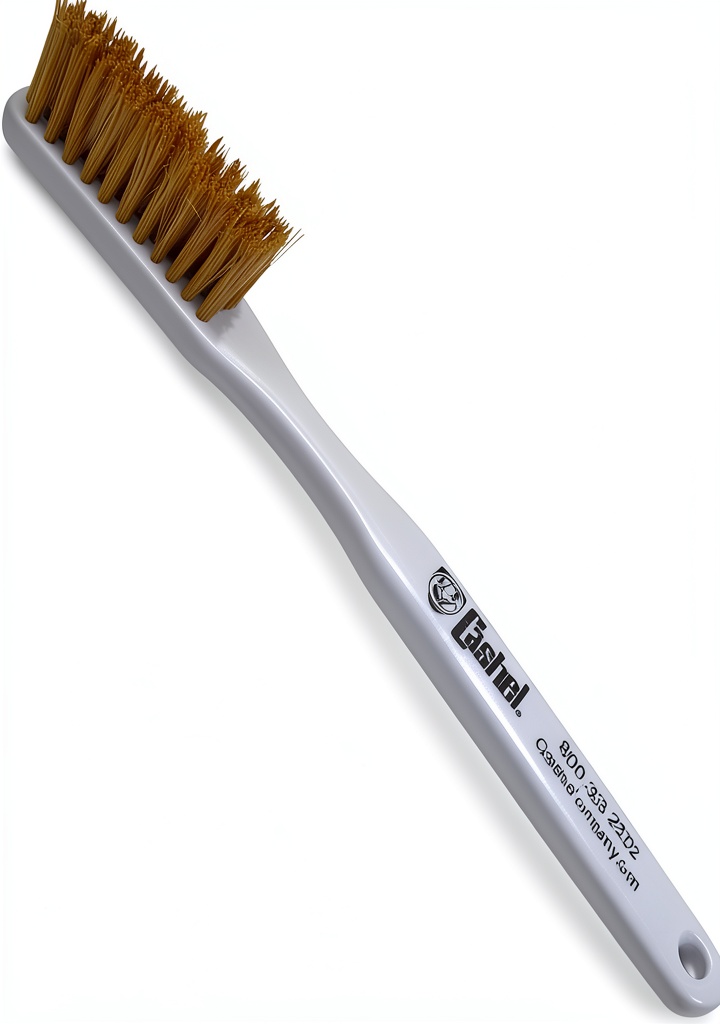
The first thing you notice when picking up the Cashel brush is its surprisingly comfortable handle. Many budget brushes feature straight, uncomfortable grips that cause hand fatigue during extended grooming sessions. Cashel’s curved design actually works—I’ve used it for 30+ minute sessions without the wrist strain I typically experience with cheaper alternatives.
The metal backing feels substantial enough for routine use, though I did notice some flex when applying significant pressure. This isn’t necessarily a deal-breaker—most casual users won’t encounter this—but professional grooms who use vigorous brushing techniques might find it concerning.
The bristle pattern reveals the budget nature of this tool. While adequate for daily dirt removal, the spacing between bristles is wider than premium brushes, reducing its effectiveness for distributing natural oils or tackling dense coats. After comparing it side-by-side with my Haas brushes, the difference in bristle density becomes immediately apparent.
Performance in Real Use
I tested the Cashel brush across three common scenarios to evaluate its real-world performance:
Scenario 1: Daily Stable Maintenance
For basic daily grooming of horses kept in stalls or dry lots, the Cashel performs admirably. It effectively removes surface dust and light dirt without irritating the skin. My lesson horses—who get quick grooming between rides—showed no signs of discomfort, and the brush maintained consistent performance throughout the testing period.
Scenario 2: Spring Shedding Season
This is where limitations emerge. During heavy shedding, the Cashel struggles to penetrate thick winter coats effectively. I found myself making multiple passes over the same areas and ultimately reaching for a shedding blade to complete the job. If you’re dealing with serious coat blowing, this won’t be your primary tool.
Scenario 3: Show Preparation
For local shows or casual events, the Cashel can produce acceptable results when used as part of a multi-step grooming process. However, for A-circuit shows where coat shine is paramount, the brush lacks the bristle quality to properly distribute oils and create that professional-level gleam.
Ease of Use
The lightweight design makes this brush exceptionally easy to handle, especially for younger riders or those with hand strength issues. I had several teenage students try it during lessons, and all reported comfortable handling compared to heavier metal brushes.
Cleaning is straightforward—the bristles don’t trap hair excessively, and a quick tap against a solid surface clears most debris. However, the metal construction can develop minor rust spots if stored damp, so proper drying is essential.
Durability & Reliability
After 30 days of regular use across six different horses, the Cashel shows minimal wear. The bristles remain firmly seated, and the handle shows no signs of deterioration. However, I did notice some finish wear on the metal backing where it contacts harder surfaces during storage.
The critical durability test came accidentally when a student dropped it from waist height onto rubber matting. The brush survived unscathed, but I have doubts about its survival if dropped on concrete repeatedly. For barns with hard flooring, this might be a consideration.
Pros & Cons
Pros
- Excellent value for money – outperforms most brushes in its price range
- Comfortable ergonomic handle reduces hand fatigue during extended use
- Adequate durability for casual and routine grooming needs
- Lightweight design makes it easy to handle for all users
- Reliable performance for basic dirt and dust removal
Cons
- Struggles with heavy shedding coats – insufficient bristle density
- Not ideal for show-quality finishing – lacks premium bristle quality
- Metal backing shows wear over time with rough handling
- Limited effectiveness on extremely dirty or muddy horses
- Not part of a system – works alone rather than as part of coordinated grooming tools
Comparison & Alternatives
Cheaper Alternative: Generic Rubber Curry Comb
At under $5, basic rubber curry combs represent the budget alternative. While excellent for loosening dirt and stimulating circulation, they lack the finishing capabilities of a brush like the Cashel. Choose the curry if you’re on an extreme budget and primarily need dirt removal, but expect to miss the polishing effect of proper bristles.
Premium Alternative: Haas Schimmel Brush
Priced around $40, the Haas Schimmel represents the professional standard. The difference in performance is immediately noticeable—denser bristles, superior materials, and exceptional coat-shining capabilities. Upgrade to Haas if you’re preparing horses for shows or demand the absolute best results. The Cashel simply can’t match the finishing quality of premium German brushes.
When to Choose Each
- Choose Cashel when you need reliable daily performance without professional-grade investment
- Choose generic curry when budget is primary concern and finishing isn’t critical
- Choose premium brushes when show preparation or maximum coat health is required
Buying Guide / Who Should Buy
Best for Beginners
If you’re new to horse ownership or riding lessons, the Cashel represents a smart entry-level investment. It teaches proper brushing technique without the sticker shock of professional tools, and its comfortable design makes learning enjoyable rather than painful.
Best for Professionals
Professional grooms and serious competitors will likely find the Cashel insufficient for their needs. While usable as a backup or for quick touch-ups, the limitations in bristle quality and durability make it a poor primary tool for demanding professional environments.
Not Recommended For
Avoid this brush if: you regularly groom horses with extremely dense coats, need show-quality finishing results, require heavy-duty construction for barn use, or already own premium grooming tools. The performance gap becomes noticeable in these scenarios.
FAQ
Is the Cashel Horse Brush worth buying for occasional use?
Absolutely. For casual owners who groom a few times weekly, the Cashel offers perfect balance of performance and affordability. It outperforms dollar-store brushes while costing significantly less than professional options.
How does it handle muddy horses?
Poorly. Like most bristle brushes, the Cashel clogs quickly with mud. You’ll need to remove major dirt with a curry comb first, then use the Cashel for finishing. This is standard for most brushes in this category.
Will this brush help with shedding?
Moderately. It removes loose hair during normal shedding but struggles with heavy coat blowing. For serious shedding seasons, pair it with a dedicated shedding tool for best results.
How long can I expect this brush to last?
With proper care (keeping dry, avoiding concrete drops), expect 1-2 years of regular use. The bristles will eventually lose effectiveness, but this is normal for brushes in this price range.
Is there a significant difference between this and more expensive brushes?
Yes, but the difference matters most to professionals and competitors. Casual users will find the Cashel adequate, while serious grooms will notice immediately the superior performance of premium brushes.
 Straight Arrow Mane n Tail Horse Care Coat Conditioner
  Mane n Tail Repair Strengthen Shampoo Conditioner Vegan
  Absorbine ShowSheen Waterless Horse Coat Cleaner Shine
  Horse Coat Conditioner W F Young Vitamin E Sun Protection
  G.S Bone Rasp Putti Double Ended Stainless Steel Surgical
 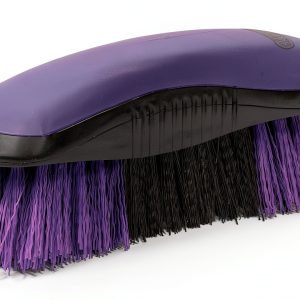 Weaver Leather Horse Brush Contoured Handle Dirt Removal